Navigating the complexities of personal finance can feel daunting, especially for young professionals juggling career aspirations, student loans, and the desire for a secure future. This guide provides a practical roadmap to financial success, empowering you to make informed decisions and build a solid foundation for long-term prosperity. We’ll explore essential concepts, from budgeting and saving to investing and retirement planning, offering actionable strategies tailored to your unique needs and goals.
Understanding your financial situation is the first step. We’ll delve into creating realistic budgets, managing debt effectively, and exploring various investment options to help you achieve your short-term and long-term financial objectives. Whether you dream of owning a home, paying off student loans, or securing a comfortable retirement, this comprehensive guide will equip you with the knowledge and tools to confidently navigate your financial journey.
Understanding Financial Fundamentals for Young Professionals
Starting your career is an exciting time, filled with new opportunities and experiences. However, it’s equally important to establish a strong financial foundation to ensure long-term security and achieve your personal and financial goals. This section will cover essential financial principles to help you navigate your early career years with confidence.
Budgeting and Saving Principles
Effective budgeting and saving are cornerstones of sound financial health. Budgeting involves tracking your income and expenses to understand where your money goes, allowing you to identify areas for improvement and allocate funds towards savings and other financial goals. Saving, on the other hand, involves setting aside a portion of your income regularly to build wealth and achieve future financial objectives, such as purchasing a home, investing, or funding retirement.
The key is to find a balance between spending and saving that aligns with your lifestyle and aspirations. Consistency is crucial; even small, regular savings contribute significantly over time due to the power of compounding.
Budgeting Methods for Young Professionals
Several budgeting methods can be adapted to suit individual needs and preferences. Choosing the right method depends on your spending habits, technological comfort, and personal organizational style.
| Method | Pros | Cons | Example |
|---|---|---|---|
| 50/30/20 Rule | Simple and easy to understand; provides a clear framework. | May be too simplistic for complex financial situations; requires discipline to stick to the percentages. | Allocate 50% of income to needs (rent, groceries), 30% to wants (entertainment, dining out), and 20% to savings and debt repayment. |
| Zero-Based Budgeting | Promotes mindful spending; ensures all income is allocated. | Requires significant upfront time and effort; can be rigid and inflexible. | Assign every dollar of your income to a specific category (needs, wants, savings, debt repayment), ensuring your total expenses equal your total income. |
| Envelope System | Provides a visual representation of spending; limits impulsive purchases. | Can be cumbersome to manage; may not be suitable for all payment methods. | Allocate cash to separate envelopes for different spending categories (groceries, entertainment, etc.). Once the cash is gone, that category’s spending is finished for the period. |
| Spreadsheet or Budgeting App | Provides detailed tracking and analysis; offers automated features. | Requires technological proficiency; may require a subscription fee for some apps. | Use a spreadsheet program like Excel or Google Sheets, or a budgeting app like Mint or YNAB (You Need A Budget), to track income, expenses, and savings goals. |
Emergency Fund Importance and Building Strategies
An emergency fund is a crucial safety net to protect against unexpected expenses, such as medical bills, car repairs, or job loss. Ideally, you should aim to save 3-6 months’ worth of living expenses in an easily accessible account. Building an emergency fund requires discipline and prioritization. Start small, even with $10 or $20 a week, and gradually increase your contributions as your income grows.
Automate your savings by setting up recurring transfers from your checking account to your savings account. Consider utilizing high-yield savings accounts to maximize interest earnings while maintaining easy access to your funds. For example, if your monthly expenses are $2,000, aim to save between $6,000 and $12,000 in your emergency fund.
Setting Financial Goals and Creating a Plan

Creating a robust financial plan is crucial for young professionals navigating their careers and building a secure future. This involves clearly defining your financial aspirations and developing a structured approach to achieve them. This process, while initially demanding, provides a roadmap for financial success and reduces the likelihood of unexpected financial setbacks.Defining short-term and long-term financial goals requires careful consideration of your current financial situation, aspirations, and risk tolerance.
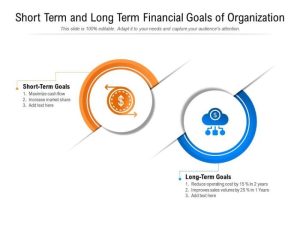
Short-term goals are typically achievable within one to three years, while long-term goals extend beyond this timeframe.
Defining Short-Term and Long-Term Financial Goals
Short-term goals often focus on immediate needs and priorities. Examples include building an emergency fund, paying off high-interest debt (like credit card debt), saving for a down payment on a car, or taking a much-needed vacation. These goals provide a sense of accomplishment and build momentum towards larger objectives. Long-term goals, conversely, are those requiring a longer time horizon to achieve.
These might include purchasing a home, funding your children’s education, planning for retirement, or starting a business. The long-term goals provide the overarching direction for your financial journey. Setting both short-term and long-term goals provides a balanced approach to financial planning, ensuring that immediate needs are met while still working towards long-term security.
Sample Financial Plan: Achieving Specific Goals
Let’s Artikel a sample plan focusing on two common goals: paying off student loans and buying a house.
Goal 1: Paying off Student Loans
Current Situation: $30,000 in student loan debt at a 6% interest rate. Monthly income: $4,000.
Steps:
- Create a detailed budget, tracking all income and expenses. Identify areas where expenses can be reduced.
- Allocate a significant portion of your disposable income towards student loan repayment. Consider strategies like the debt avalanche (paying off highest interest debt first) or debt snowball (paying off smallest debt first) methods.
- Explore loan refinancing options to potentially lower the interest rate, reducing the total amount paid over time.
- Track progress regularly, monitoring the loan balance and adjusting repayment amounts as needed.
Goal 2: Buying a House
Current Situation: $10,000 in savings. Target home price: $300,
000. Desired down payment: 20% ($60,000).
Steps:
- Increase savings aggressively. Automate regular contributions to a dedicated savings account.
- Improve credit score. A higher credit score qualifies you for better mortgage rates.
- Research mortgage options and compare interest rates from different lenders.
- Explore government-backed programs that might offer assistance with down payments or closing costs.
- Save for closing costs, property taxes, and potential home maintenance expenses.
Strategies for Tracking Progress and Adjusting the Plan
Regularly reviewing and adjusting your financial plan is vital. This should be a dynamic process, adapting to changing circumstances.
Tracking Progress:
- Use budgeting apps or spreadsheets to monitor income, expenses, and progress towards your goals.
- Set realistic milestones and deadlines for each goal. Celebrate achievements along the way to maintain motivation.
- Review your financial statements (bank accounts, investment accounts, loan statements) monthly.
Adjusting the Plan:
- Life changes (new job, marriage, children) will necessitate adjustments to your financial plan. Regularly assess your goals and make modifications as needed.
- Unexpected expenses (car repairs, medical bills) might require re-prioritizing goals or adjusting spending habits.
- Market fluctuations can impact investments. Regularly review your investment portfolio and make adjustments based on market conditions.
Financial Advice, Auditing, and Goals
Navigating the complexities of personal finance can be challenging, especially for young professionals starting their careers. Understanding the roles of financial advisors and auditors, setting realistic goals, and implementing a robust financial plan are crucial steps towards achieving long-term financial well-being. This section clarifies these aspects and demonstrates how they contribute to successful financial goal attainment.Financial advisors and financial auditors, while both involved in the financial world, play distinct roles.
A financial advisor provides personalized guidance on various financial matters, helping individuals make informed decisions about investments, retirement planning, and debt management. In contrast, a financial auditor examines an organization’s financial records to ensure accuracy and compliance with accounting standards. Their work focuses on verifying the integrity of financial information, not providing personalized advice.
The Roles of Financial Advisors and Auditors
Financial advisors offer personalized financial guidance tailored to individual circumstances. They analyze clients’ financial situations, assess their risk tolerance, and develop customized strategies to help them achieve their goals. This might involve recommending investment portfolios, creating retirement plans, or strategizing debt reduction. Conversely, financial auditors objectively examine financial statements and internal controls of businesses or organizations. They verify the accuracy and reliability of financial information, ensuring compliance with accounting regulations and identifying any potential discrepancies or fraud.
While both professions require financial expertise, their objectives and approaches differ significantly; one focuses on individual guidance, the other on organizational accountability.
Common Financial Goals for Young Professionals
Establishing clear financial goals is fundamental to effective financial planning. Young professionals often prioritize certain goals given their life stage and career trajectory.
The following list represents common financial goals:
- Emergency Fund: Building a safety net to cover unexpected expenses (e.g., job loss, medical emergencies).
- Debt Management: Reducing or eliminating high-interest debt (e.g., credit card debt, student loans).
- Saving for a Down Payment: Accumulating funds for a significant purchase like a home or car.
- Investing for the Future: Building long-term wealth through investments (e.g., stocks, bonds, mutual funds).
- Retirement Planning: Contributing to retirement accounts (e.g., 401(k), IRA) to secure financial stability in later life.
How Financial Planning Helps Achieve Financial Goals
Financial planning provides a roadmap to achieving financial goals. It involves analyzing current financial status, setting realistic goals, developing a strategic plan, and regularly monitoring progress. This process is iterative, requiring adjustments as circumstances change. For example, a young professional’s financial goals might shift from paying off student loans to saving for a down payment as their career progresses and income increases.
Regular review and adjustments are crucial to ensure the plan remains aligned with evolving needs and priorities. This iterative approach allows for flexibility and adaptation, maximizing the chances of success. For instance, if unexpected expenses arise, the plan can be adjusted to accommodate them without derailing long-term goals. Regular monitoring helps identify areas needing improvement and allows for proactive adjustments to maintain progress.
Tax Planning for Young Professionals
Navigating the tax system can feel overwhelming, especially when starting your career. Understanding basic tax principles and employing effective strategies can significantly reduce your tax burden and help you build a stronger financial foundation. This section Artikels key tax concepts and strategies relevant to young professionals.Understanding basic tax principles is crucial for effective tax planning. Your tax liability is determined by your taxable income, which is your gross income minus certain deductions and exemptions.
Tax brackets are ranges of income taxed at different rates; as your income increases, you move into higher brackets, resulting in a higher overall tax rate. Deductions reduce your taxable income, while credits directly reduce the amount of tax you owe. For example, a young professional contributing to a 401(k) retirement plan can deduct those contributions, lowering their taxable income.
Similarly, tax credits, like the Earned Income Tax Credit (EITC) for low-to-moderate-income earners, directly reduce their tax liability.
Tax Brackets and Their Impact
Tax brackets are structured progressively, meaning higher earners pay a higher percentage of their income in taxes. However, only the portion of your income that falls within a higher bracket is taxed at that higher rate. For instance, if you earn $40,000 and the tax brackets are 10% for income up to $10,000 and 12% for income between $10,001 and $40,000, you won’t pay 12% on your entire income.
Instead, you’ll pay 10% on the first $10,000 and 12% on the remaining $30,000. Understanding this prevents misconceptions about the overall tax burden. Specific tax bracket rates vary yearly and are determined by the government. It’s important to consult the most up-to-date information from official sources.
Strategies for Minimizing Tax Liability
Several legal and ethical strategies can help minimize your tax liability. Maximizing tax-advantaged retirement accounts like 401(k)s and Roth IRAs is a key strategy. Contributions to these accounts are often tax-deductible (or tax-free in the case of Roth IRAs), reducing your current taxable income. Furthermore, the investment growth within these accounts is typically tax-deferred (or tax-free for Roth IRAs).
Another strategy involves itemizing deductions instead of taking the standard deduction if your itemized deductions exceed the standard deduction amount. Common itemized deductions include mortgage interest, charitable contributions, and state and local taxes (subject to limitations). Careful record-keeping is essential to substantiate these deductions. Finally, exploring tax credits specific to your circumstances, such as the child tax credit or education credits, can further reduce your tax burden.
Resources for Tax Planning
Several resources can assist you in learning more about tax planning. The Internal Revenue Service (IRS) website (irs.gov) offers a wealth of information, including publications, forms, and instructions. Tax software programs, such as TurboTax or H&R Block, can guide you through the tax filing process and help you identify potential deductions and credits. Consulting with a qualified tax professional, such as a Certified Public Accountant (CPA) or enrolled agent, is highly recommended, especially for complex tax situations.
They can provide personalized advice and ensure you are taking advantage of all applicable deductions and credits. Remember, seeking professional advice is a proactive approach to responsible tax planning.
Mastering personal finance is a continuous journey, not a destination. By consistently applying the principles Artikeld in this guide—from establishing a solid budget and managing debt responsibly to strategically investing for the future and planning for retirement—young professionals can build a strong financial foundation. Remember that regular review and adjustment of your financial plan are crucial to adapt to changing circumstances and ensure you stay on track toward achieving your financial goals.
Embrace the process, and enjoy the rewards of financial security and freedom.
FAQ Overview
What’s the difference between a 401(k) and an IRA?
A 401(k) is a retirement savings plan sponsored by your employer, often with employer matching contributions. An IRA is a self-directed retirement savings plan offered by banks and brokerage firms.
How much should I be saving for retirement?
A general guideline is to aim for saving 15% of your pre-tax income for retirement, but this can vary based on your individual circumstances and goals.
What is a good credit score?
A credit score of 700 or higher is generally considered good. Scores above 800 are excellent.
How can I reduce my tax liability?
Contribute to tax-advantaged retirement accounts, maximize deductions, and explore available tax credits. Consult a tax professional for personalized advice.
When should I seek professional financial advice?
Consider seeking professional advice when facing complex financial decisions, such as significant debt, estate planning, or complex investment strategies.