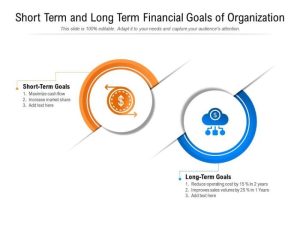
Navigating the complex world of personal finance can feel daunting, especially for millennials facing unique challenges like student loan debt, fluctuating job markets, and the rising cost of living. This guide provides a roadmap to financial success, tailored specifically to the needs and aspirations of this generation. We’ll explore practical strategies for managing debt, building wealth through investing, securing emergency funds, and planning for a comfortable retirement – all while addressing the specific financial hurdles millennials commonly encounter.
From defining your financial goals and understanding your risk tolerance to utilizing budgeting apps and exploring various investment options, we aim to empower you with the knowledge and tools to take control of your financial future. We’ll delve into the nuances of different retirement accounts, the importance of early investing, and effective debt management techniques. Ultimately, this guide serves as a comprehensive resource to help millennials achieve financial stability and security.
Investing for the Future
Starting your investment journey early as a millennial offers significant advantages, primarily due to the power of compounding. Compounding allows your investment earnings to generate further earnings over time, creating a snowball effect that significantly boosts your long-term wealth. The earlier you begin, the more time your money has to grow exponentially. This section explores various investment options and guides you through the process of opening a brokerage account.
The Benefits of Early Investing and Compounding Interest
Investing early maximizes the benefits of compounding interest. Imagine investing $5,000 annually starting at age 25 versus starting at age 35. Assuming a 7% annual return (a reasonable long-term average for a diversified portfolio), the difference in accumulated wealth by age 65 is substantial. The earlier investor would accumulate significantly more, highlighting the importance of starting early and letting time work its magic.
This difference is not simply about the extra ten years of contributions; it’s the exponential growth of those contributions over those extra years. The longer your money is invested, the more it compounds.
Investment Options for Millennials
Millennials have a diverse range of investment options available, catering to different risk tolerances and financial goals. Choosing the right mix depends on your comfort level with risk and your investment timeframe.
Index Funds and ETFs
Index funds and exchange-traded funds (ETFs) offer diversified exposure to a broad market segment at relatively low costs. Index funds track a specific market index, like the S&P 500, mirroring its performance. ETFs are similar but trade on exchanges like stocks, offering greater flexibility. These options are generally considered lower-risk than individual stocks due to their diversification.
For example, investing in an S&P 500 index fund provides exposure to 500 large-cap U.S. companies, reducing the impact of any single company’s poor performance.
Individual Stocks
Individual stocks represent ownership in a specific company. While offering potentially higher returns, they also carry significantly higher risk. A single poorly performing stock can significantly impact your portfolio. Thorough research and understanding of a company’s financials are crucial before investing in individual stocks. For example, investing in a high-growth technology company could yield substantial returns but also carries a greater risk of significant losses compared to a more established, blue-chip company.
Opening a Brokerage Account and Making Your First Investment
Opening a brokerage account and making your first investment is a straightforward process.
- Choose a Brokerage: Research different brokerage firms, comparing fees, investment options, and available research tools. Consider factors such as user-friendliness and customer support.
- Complete the Application: Provide necessary personal information and financial details. You’ll likely need to provide identification and potentially banking information.
- Fund Your Account: Transfer funds from your bank account to your brokerage account. This typically involves linking your bank account to your brokerage account.
- Select Your Investments: Research and select the investments that align with your risk tolerance and financial goals. Begin with a small amount to gain experience and comfort.
- Place Your Order: Submit your investment order through the brokerage platform. Specify the investment, quantity, and order type (e.g., market order, limit order).
- Monitor Your Investments: Regularly review your portfolio’s performance, adjusting your strategy as needed based on market conditions and your financial goals.
Saving and Emergency Funds

Building a robust emergency fund is a cornerstone of responsible financial planning, particularly crucial for millennials navigating the complexities of early adulthood and career establishment. Unexpected expenses, job loss, or medical emergencies can significantly derail financial progress, and a well-funded emergency account acts as a crucial safety net, preventing these setbacks from spiraling into long-term debt. This section will explore the importance of emergency funds, guide you in determining the appropriate size for your situation, and offer practical tips for boosting your savings.The primary purpose of an emergency fund is to provide a financial buffer against unforeseen circumstances.
It’s your safety net, allowing you to cover essential expenses without resorting to high-interest debt like credit cards when unexpected events occur. Having readily available funds minimizes stress and allows for a more measured response to financial challenges, protecting your long-term financial goals.
Determining Emergency Fund Size
A commonly recommended emergency fund size is three to six months’ worth of essential living expenses. This figure provides a reasonable cushion to cover expenses like rent or mortgage payments, utilities, groceries, transportation, and minimum debt payments during a period of unemployment or unexpected hardship. To calculate your required amount, list all your essential monthly expenses, add them together, and multiply the sum by three or six, depending on your desired level of security.
For example, if your monthly essential expenses total $2,000, a three-month emergency fund would require $6,000, while a six-month fund would necessitate $12,000. The higher amount offers greater security but requires more aggressive saving. Consider your individual circumstances, job security, and risk tolerance when choosing the appropriate timeframe.
Practical Tips for Saving Money and Reducing Expenses
Building an emergency fund requires disciplined saving and mindful spending. The following strategies can significantly enhance your savings efforts.
Prioritizing saving is key. Treat your savings contributions as essential expenses, similar to rent or mortgage payments. Automate your savings by setting up recurring transfers from your checking account to your savings account each month. Even small, consistent contributions accumulate over time.
Tracking your spending is another crucial step. Use budgeting apps or spreadsheets to monitor where your money goes. Identifying areas of overspending helps you make informed decisions about reducing unnecessary expenses.
- Create a Realistic Budget: A detailed budget outlining your income and expenses is essential for tracking progress and identifying areas for potential savings.
- Reduce Recurring Expenses: Review subscription services, entertainment costs, and other recurring expenses. Cancel unused subscriptions or explore more affordable alternatives.
- Cook at Home More Often: Eating out frequently can significantly impact your budget. Preparing meals at home is generally much more cost-effective.
- Utilize Free Resources: Explore free or low-cost activities for entertainment, such as visiting parks, libraries, or attending free community events.
- Negotiate Bills: Contact your service providers (internet, phone, insurance) to negotiate lower rates or explore alternative plans.
- Shop Smart: Compare prices, use coupons, and take advantage of sales to save money on groceries and other household items.
Financial Planning Tools and Resources
Navigating the world of personal finance can feel overwhelming, especially for millennials juggling student loans, career building, and life’s unexpected expenses. Fortunately, a wealth of readily available tools and resources can simplify the process, empowering you to take control of your financial future. These tools range from user-friendly budgeting apps to comprehensive online resources offering financial education and planning assistance.Utilizing these tools effectively can significantly improve your financial literacy and help you achieve your financial goals, whether it’s saving for a down payment on a house, paying off debt, or building a comfortable retirement nest egg.
By understanding and employing these resources, you can create a personalized financial plan tailored to your specific needs and circumstances.
Budgeting Apps and Expense Tracking
Budgeting apps are designed to simplify the process of tracking income and expenses, helping users visualize their spending habits and identify areas for potential savings. Many apps offer features like automatic transaction categorization, personalized budgeting recommendations, and progress tracking towards financial goals. Popular examples include Mint, YNAB (You Need A Budget), and Personal Capital. Using a budgeting app typically involves linking your bank accounts and credit cards to automatically import transactions.
The app then categorizes these transactions, allowing you to see a clear picture of where your money is going. You can then create a budget by setting spending limits for different categories, and the app will track your progress against those limits, providing alerts if you’re approaching or exceeding your budget. This visual representation helps users make informed financial decisions and adjust their spending habits accordingly.
Financial Calculators
Financial calculators provide quick and easy estimations for various financial scenarios. These online tools can be invaluable for making informed decisions regarding saving, investing, and debt management. For example, a retirement calculator can estimate how much you need to save regularly to achieve your desired retirement income, considering factors like your current age, expected retirement age, and desired retirement lifestyle.
Similarly, a mortgage calculator can help you determine the monthly payments for different loan amounts, interest rates, and loan terms. Many reputable financial websites offer free access to a variety of financial calculators.
Reputable Financial Websites and Educational Resources
The internet offers a wealth of information on personal finance, but it’s crucial to identify reliable sources. Reputable websites often feature articles, guides, and educational resources created by financial professionals. Examples include the websites of organizations like the Consumer Financial Protection Bureau (CFPB), the National Foundation for Credit Counseling (NFCC), and Investopedia. These websites provide valuable information on a wide range of topics, from budgeting and saving to investing and retirement planning.
They often offer tools and calculators as well, further assisting in the financial planning process. Additionally, many reputable financial institutions offer free educational resources to their customers. These resources can range from online courses and webinars to personalized financial consultations.
Retirement Planning for Millennials
Securing a comfortable retirement may seem distant for millennials, but starting early is crucial for long-term financial well-being. The power of compound interest, where earnings generate further earnings over time, significantly amplifies the benefits of early investment. Delaying retirement planning can severely limit your options and necessitate significantly higher contributions later in life to achieve the same retirement goals.Retirement planning involves saving consistently over many years to accumulate a sufficient nest egg for your post-working life.
This necessitates understanding various savings vehicles, their associated tax implications, and selecting investment strategies aligned with your risk tolerance and retirement timeline.
Retirement Savings Options
Several options exist for saving for retirement, each with unique characteristics impacting tax benefits and investment choices. Understanding these differences is key to making informed decisions.
| Account Type | Contribution Limits (2023) | Tax Advantages | Investment Options |
|---|---|---|---|
| 401(k) | $23,000 (employee) + $7,500 (50+ catch-up) | Contributions are typically pre-tax, reducing current taxable income. Taxes are paid upon withdrawal in retirement. | Employer-sponsored plans offer a variety of mutual funds, stocks, and bonds. |
| Traditional IRA | $6,500 (individual) + $1,000 (50+ catch-up) | Contributions are tax-deductible, reducing current taxable income. Withdrawals are taxed in retirement. | Offers broad investment options, including mutual funds, stocks, bonds, and ETFs. |
| Roth IRA | $6,500 (individual) + $1,000 (50+ catch-up) | Contributions are made after tax, but withdrawals in retirement are tax-free. | Similar to Traditional IRA, offering diverse investment choices. |
Note: Contribution limits can change annually. It is advisable to consult the IRS website or a financial professional for the most up-to-date information. The tax advantages described are simplified and may vary based on individual circumstances.
Financial Advice, Auditing, Goals, and Planning
Effective financial planning hinges on a strong understanding of your financial situation, clearly defined goals, and a proactive approach to managing your resources. This involves seeking professional advice, periodically auditing your finances, and creating a detailed plan to achieve your objectives. These elements are interconnected and mutually supportive, creating a robust framework for long-term financial well-being.Financial advice, auditing, goal setting, and planning work synergistically to build a solid financial foundation.
Financial advice provides guidance and expertise, helping individuals navigate complex financial decisions and strategies. Financial auditing acts as a check-and-balance mechanism, providing a clear picture of current financial health. Clearly defined financial goals provide direction and motivation, while the financial plan Artikels the steps needed to achieve those goals. Regular auditing ensures the plan stays on track and adapts to changing circumstances.
The Interplay of Financial Advice, Auditing, Goals, and Planning
Financial advice plays a crucial role in all stages of the financial planning process. Advisors help individuals define their financial goals, whether it’s buying a home, funding education, or planning for retirement. They then assist in creating a personalized financial plan, selecting appropriate investment strategies, and managing risk. Regular financial audits provide valuable data that informs the ongoing refinement of this plan.
For example, an audit might reveal unexpected expenses or areas where savings can be increased, leading to adjustments in the investment strategy or savings goals. The feedback loop between auditing and advice ensures the plan remains relevant and effective.
The Role of Financial Auditing in Better Financial Planning
A financial audit provides a comprehensive snapshot of an individual’s financial health. It involves reviewing income, expenses, assets, and liabilities to identify strengths, weaknesses, and areas for improvement. This objective assessment allows for informed decision-making. For instance, an audit might reveal that a significant portion of income is allocated to discretionary spending, prompting a reassessment of spending habits and the reallocation of funds towards savings or debt reduction.
This information is invaluable in creating a realistic and achievable financial plan. Regular audits, perhaps annually or semi-annually, are crucial for tracking progress, identifying potential problems early, and making necessary adjustments to stay on track.
Creating a Comprehensive Financial Plan
Developing a comprehensive financial plan involves several key steps. First, clearly define your short-term and long-term financial goals. This might include saving for a down payment on a house within five years, paying off student loans within three years, or accumulating a specific retirement nest egg by age 65. Next, assess your current financial situation. This involves calculating your net worth (assets minus liabilities), analyzing your income and expenses, and evaluating your existing investments and debt.
Third, develop a budget that aligns with your goals and current financial reality. This budget should Artikel how you will allocate your income to meet your expenses and achieve your savings goals. Fourth, create an investment strategy based on your risk tolerance, time horizon, and financial goals. This could involve diversifying investments across different asset classes, such as stocks, bonds, and real estate.
Finally, regularly review and adjust your financial plan as your circumstances change. Life events such as marriage, having children, or job changes can significantly impact your financial situation and require adjustments to your plan.
Mastering personal finance as a millennial requires a proactive approach and a long-term perspective. By understanding your financial goals, strategically managing debt, and consistently investing, you can build a strong financial foundation for a secure and prosperous future. Remember, consistent effort and informed decision-making are key to achieving financial independence. This guide offers a starting point; remember to seek personalized advice from qualified professionals as needed to tailor your financial plan to your unique circumstances.
FAQ Compilation
What is the best way to start investing with limited funds?
Begin with small, regular contributions to low-cost index funds or ETFs. Dollar-cost averaging can help mitigate risk.
How can I improve my credit score?
Pay bills on time, keep credit utilization low, and avoid opening too many new accounts.
What is the difference between a 401(k) and an IRA?
A 401(k) is employer-sponsored, often with matching contributions. An IRA is self-directed and offers tax advantages depending on the type (Traditional or Roth).
How much should I have in my emergency fund?
Aim for 3-6 months’ worth of living expenses.
Are there any free financial planning resources available?
Many reputable websites and non-profit organizations offer free financial education resources and tools.