Building a secure financial future requires a well-defined plan. This guide provides a structured approach to setting financial goals, assessing your current situation, and developing a personalized strategy for achieving them. We’ll cover everything from setting SMART goals and creating a budget to managing debt and investing for the long term. By following these steps, you can gain control of your finances and work towards a more financially secure future.
Understanding your financial landscape is crucial before embarking on any planning. This involves a thorough assessment of your current income, expenses, assets, and liabilities. This detailed analysis will form the foundation upon which your personalized financial roadmap will be built, ensuring that your strategies align perfectly with your financial reality. We’ll explore practical methods for tracking your finances and creating a realistic budget that fits your lifestyle.
Regular Review and Adjustment

A well-crafted financial plan isn’t a static document; it’s a living roadmap that requires regular review and adjustments to ensure it remains aligned with your evolving circumstances and goals. Life throws curveballs – job changes, unexpected expenses, market fluctuations – all of which can impact your progress and necessitate modifications to your strategy. Consistent monitoring and adaptation are key to maximizing your chances of achieving financial success.Regularly reviewing and adjusting your financial plan allows you to stay on track towards your goals, adapt to unforeseen circumstances, and optimize your strategies for better results.
Ignoring changes in your financial situation or market conditions can lead to missed opportunities and potential setbacks. A proactive approach ensures you remain in control of your finances and make informed decisions.
Methods for Tracking Progress
Tracking your progress is crucial for maintaining motivation and identifying areas needing attention. Several methods can be employed to monitor your financial health. These include using budgeting apps that automatically categorize transactions and display progress towards savings goals, creating personalized spreadsheets to manually track income, expenses, and asset growth, or employing financial management software that provides comprehensive reports and visualizations of your financial data.
Regularly reviewing these tracking mechanisms provides valuable insights into spending habits, investment performance, and overall progress towards your financial objectives. For instance, if your budget shows consistent overspending in a particular category, you can adjust your spending habits or allocate more funds to that area. Similarly, if your investment portfolio underperforms expectations, you can re-evaluate your investment strategy or seek professional advice.
The Importance of Professional Financial Advice
While self-management is valuable, seeking professional financial advice can significantly enhance your financial planning process. Financial advisors provide expertise in various areas, such as investment strategies, tax planning, retirement planning, and estate planning. They can offer objective perspectives, identify potential risks and opportunities, and help you develop a comprehensive financial strategy tailored to your specific needs and goals. For example, an advisor can help you navigate complex investment options, optimize your tax strategy to minimize your tax burden, or create a retirement plan that ensures a comfortable retirement.
Their guidance can be particularly valuable during significant life events such as marriage, starting a family, or facing unexpected financial challenges. Engaging a financial advisor isn’t about admitting failure; it’s about leveraging professional expertise to improve your chances of achieving your financial goals efficiently and effectively.
Financial Advice, Auditing, Goals, and Planning Discussion
Creating a robust financial plan requires careful consideration of various factors, including professional guidance, regular assessments, and a clear understanding of your financial goals. This section delves into the crucial roles of financial advice, auditing, and their interplay with goal setting and planning.
The Role of Financial Advisors in Achieving Financial Goals
Financial advisors provide invaluable support in navigating the complexities of personal finance. They offer personalized guidance based on individual circumstances, risk tolerance, and financial objectives. A skilled advisor can assist with various aspects of financial planning, including investment strategies, retirement planning, tax optimization, and estate planning. Their expertise helps individuals make informed decisions, potentially maximizing returns while minimizing risks.
For example, an advisor might help a young professional develop a long-term investment strategy to build wealth for retirement or assist an older individual in creating a plan to manage their assets and ensure a comfortable retirement income. The value of an advisor lies in their ability to synthesize complex information, offer unbiased recommendations, and provide ongoing support throughout the financial planning process.
Financial Auditing versus Financial Planning
While seemingly distinct, financial auditing and financial planning are interconnected. Financial auditing focuses on the verification of financial records, ensuring accuracy and compliance with regulations. It’s a retrospective process, examining past financial activity. In contrast, financial planning is a prospective process, focusing on future financial goals and creating strategies to achieve them. It involves analyzing current financial status, setting goals, and developing action plans to meet those goals.
A financial audit might reveal discrepancies or inefficiencies in past spending, providing valuable information that can inform future financial planning. For instance, an audit might highlight excessive spending in a particular category, leading to adjustments in the budget during the planning phase.
The Interrelationship Between Financial Goals, Planning, and Advice
Financial goals, planning, and advice are inextricably linked. Financial goals represent the desired outcomes – for example, buying a house, retiring comfortably, or funding a child’s education. Financial planning is the process of creating a roadmap to achieve these goals, involving budgeting, saving, investing, and managing debt. Financial advice provides the expertise and guidance necessary to navigate this planning process effectively.
Without clear goals, planning becomes aimless; without a plan, goals remain aspirations; and without professional advice, the planning process can be inefficient and potentially lead to suboptimal outcomes. The interplay between these three elements ensures a cohesive and effective approach to managing personal finances.
Key Elements of a Comprehensive Financial Plan
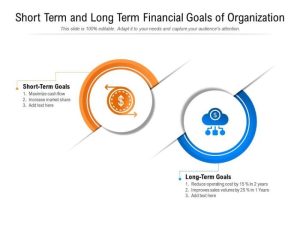
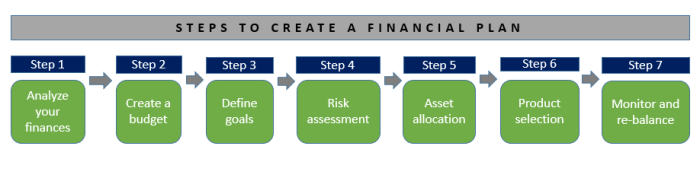
A comprehensive financial plan typically includes several key elements: a detailed assessment of current financial standing (assets, liabilities, income, expenses); the definition of short-term and long-term financial goals; a budget outlining planned income and expenditures; a savings and investment strategy aligned with risk tolerance and goals; a debt management plan to address existing liabilities; a retirement plan addressing future income needs; and estate planning to address asset distribution after death.
These elements, when integrated effectively, provide a holistic framework for achieving financial well-being.
Creating a comprehensive financial goal plan is a journey, not a destination. By consistently reviewing and adjusting your plan based on your progress and changing circumstances, you can ensure it remains relevant and effective. Remember, seeking professional financial advice can provide valuable insights and guidance along the way. With dedication and a well-structured plan, you can confidently navigate your financial journey towards a future that aligns with your aspirations.
Frequently Asked Questions
What if my income fluctuates?
Use a budgeting method that accounts for variable income, like zero-based budgeting or a flexible budgeting approach. Track your income and expenses closely to adjust your plan as needed.
How often should I review my financial plan?
At least annually, or more frequently if significant life changes occur (job change, marriage, birth of a child, etc.).
What is the best investment strategy for beginners?
Start with low-risk investments like high-yield savings accounts or index funds. Diversify gradually as your knowledge and comfort level increase.
Can I use this plan if I have significant debt?
Yes, this plan incorporates debt management strategies. Prioritize paying down high-interest debt while building an emergency fund.