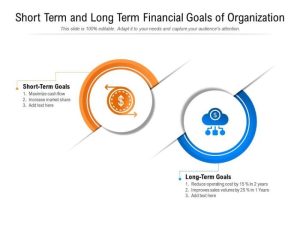
Embarking on your investment journey can feel daunting, but with the right knowledge and strategy, building a secure financial future is achievable. This guide demystifies the world of investing, providing beginners with a clear path to navigate the complexities of financial markets. We’ll explore fundamental concepts, practical strategies, and essential resources to help you confidently manage your money and achieve your financial goals.
From understanding the difference between saving and investing to developing a personalized financial plan, we’ll cover key aspects of responsible investing. Learn how to assess risk tolerance, diversify your portfolio, and make informed decisions about various investment vehicles. We also address the importance of seeking professional advice when needed and how to find the right financial advisor for your needs.
Understanding Basic Investment Concepts

Investing your money wisely is a crucial step towards securing your financial future. It differs significantly from simply saving, offering the potential for greater returns but also carrying a higher degree of risk. Understanding these fundamental differences and the various investment vehicles available is key to making informed decisions.
Investing versus Saving
Saving involves setting aside money for future use, typically in low-risk accounts like savings accounts or money market accounts. These accounts offer security and easy access to your funds, but the returns are usually modest, often only slightly outpacing inflation. Investing, on the other hand, involves allocating money into assets with the expectation of generating higher returns over the long term.
This could involve stocks, bonds, real estate, or other assets. While the potential for higher returns is significant, investing inherently carries a greater risk of losing some or all of your initial investment. The key difference lies in the time horizon and the level of risk you’re willing to accept. Saving is for short-term goals and security; investing is for long-term growth and wealth building.
Common Investment Vehicles for Beginners
Choosing the right investment vehicle depends on your financial goals, risk tolerance, and time horizon. Below is a table outlining some common options suitable for beginners:
| Asset Class | Risk Level | Potential Return | Example |
|---|---|---|---|
| Stocks (Equities) | Medium to High | High | Shares of publicly traded companies like Apple or Google |
| Bonds | Low to Medium | Moderate | Government bonds or corporate bonds |
| Mutual Funds | Low to High (depending on the fund) | Variable | Index funds tracking the S&P 500 or sector-specific funds |
| Exchange-Traded Funds (ETFs) | Low to High (depending on the ETF) | Variable | ETFs tracking specific market indices or commodities |
| Certificates of Deposit (CDs) | Low | Low | Fixed-term deposit with a guaranteed interest rate |
Risk Tolerance and Investment Decisions
Risk tolerance refers to your comfort level with the possibility of losing money in an investment. It’s a crucial factor in determining your investment strategy. A high-risk tolerance means you’re comfortable with potentially higher losses in exchange for the possibility of higher returns. A low-risk tolerance suggests you prioritize capital preservation over high returns. Understanding your risk tolerance involves considering your financial situation, investment timeline, and personal comfort level with market fluctuations.
For example, someone nearing retirement might have a lower risk tolerance than someone just starting their career. Ignoring your risk tolerance can lead to poor investment decisions and significant emotional distress during market downturns.
Investment Strategies for Beginners
Several investment strategies cater to beginners’ needs and risk profiles. A common approach is dollar-cost averaging, where you invest a fixed amount of money at regular intervals, regardless of market fluctuations. This strategy mitigates the risk of investing a lump sum at a market peak. Another popular approach is index fund investing, which involves investing in a diversified portfolio that tracks a specific market index, like the S&P 500.
This strategy offers broad market exposure at a relatively low cost. For those with a longer time horizon and higher risk tolerance, a more aggressive strategy might involve investing a larger portion of their portfolio in stocks. Conversely, a conservative approach might focus on bonds and other low-risk investments. The best strategy depends on individual circumstances and goals.
For instance, a young investor with a long time horizon might choose a more aggressive strategy focused on growth, while an older investor closer to retirement might prefer a more conservative approach to preserve capital.
Setting Financial Goals and Creating a Plan
Investing wisely requires a clear understanding of your financial aspirations and a well-defined plan to achieve them. Without a roadmap, your investment journey can feel aimless and your progress difficult to track. This section focuses on establishing realistic financial goals and creating a personalized plan to guide your investment decisions. We will explore the creation of a sample financial plan, the crucial role of emergency funds, the benefits of diversification, and a step-by-step guide for setting achievable goals.
Sample Financial Plan: Saving for a Down Payment
A young adult aiming to buy a house within five years needs a structured savings plan. Let’s assume a desired down payment of $50,000 and a current savings balance of $5,
000. This plan Artikels yearly savings targets and assumes a consistent annual investment return of 6% (note
this is an average and actual returns can vary significantly). This is a simplified example and individual circumstances will require adjustments.
| Year | Starting Balance | Target Savings | Ending Balance (with 6% return) |
|---|---|---|---|
| 1 | $5,000 | $10,000 | $16,300 |
| 2 | $16,300 | $10,000 | $28,218 |
| 3 | $28,218 | $10,000 | $41,840 |
| 4 | $41,840 | $10,000 | $57,270 |
| 5 | $57,270 | $0 | $60,726 |
This plan requires consistent annual savings of $10,000, achievable through budgeting and disciplined saving habits. Remember, this is just a sample, and actual returns may vary depending on market conditions and investment choices.
The Importance of Emergency Funds
An emergency fund acts as a financial safety net, protecting you from unexpected expenses like medical bills, job loss, or car repairs. Ideally, this fund should cover 3-6 months of living expenses. Building an emergency fund requires prioritizing saving and consistently contributing to it. Even small, regular contributions add up over time. Consider automating transfers from your checking account to a high-yield savings account to make the process effortless.
Having this buffer prevents you from dipping into your long-term investments during emergencies, preserving your investment growth.
The Benefits of Diversifying Investments
Diversification is a cornerstone of successful investing. It involves spreading your investments across different asset classes (stocks, bonds, real estate, etc.) to reduce risk. By not putting all your eggs in one basket, you mitigate the impact of potential losses in one area. For instance, if the stock market declines, your bond investments might perform better, helping to cushion the overall impact on your portfolio.
Diversification isn’t about eliminating risk entirely, but about managing it more effectively.
A Step-by-Step Guide for Setting Realistic Financial Goals
Creating realistic financial goals requires a structured approach:
- Define your goals: Clearly identify your short-term (within 1 year), medium-term (1-5 years), and long-term (5+ years) financial objectives. Examples include paying off debt, buying a car, saving for retirement, or funding your children’s education.
- Assess your current financial situation: Determine your income, expenses, assets, and debts. This provides a baseline for planning.
- Prioritize your goals: Rank your goals based on importance and urgency. Focus on high-priority goals first.
- Create a timeline: Establish realistic deadlines for achieving each goal. Breaking down large goals into smaller, manageable steps makes them less daunting.
- Develop a savings and investment plan: Determine how much you need to save or invest to reach each goal, considering potential returns and inflation.
- Regularly review and adjust: Your financial situation and goals will change over time. Regularly review your plan and make necessary adjustments.
Researching and Selecting Investments
Beginning your investment journey requires careful research and selection of suitable investment vehicles. Understanding the nuances of different investment types and diligently assessing companies’ financial health is crucial for making informed decisions and mitigating risk. This section will guide you through the process of researching and selecting investments, focusing on stocks and bonds.
Types of Stocks: Growth vs. Value
Growth stocks are shares in companies expected to experience above-average earnings growth. These companies often reinvest profits back into the business, prioritizing expansion and innovation over immediate dividends. Value stocks, conversely, are shares in companies perceived as undervalued by the market, often trading at lower price-to-earnings ratios (P/E) than their growth counterparts. Value investors seek companies with strong fundamentals that are temporarily overlooked by the market.
The choice between growth and value stocks depends on your investment timeline and risk tolerance; growth stocks tend to be riskier but offer higher potential returns, while value stocks are generally considered less volatile. For example, a technology startup might be considered a growth stock, while a well-established utility company could be a value stock.
Key Factors in Evaluating Individual Stocks and Bonds
Several key factors should be considered when evaluating individual stocks or bonds. For stocks, these include the company’s financial performance (analyzed through financial statements), industry outlook, competitive landscape, management team quality, and overall market conditions. For bonds, crucial factors include the issuer’s creditworthiness (as reflected in credit ratings), maturity date, interest rate, and the overall interest rate environment. A thorough assessment of these factors helps investors make informed decisions aligned with their investment goals and risk appetite.
For instance, a high debt-to-equity ratio might signal financial risk for a stock, while a low credit rating could indicate higher risk for a bond.
Resources for Investment Research
Accessing reliable information is paramount for successful investing. The following resources can aid in your research:
- Company websites: Directly access annual reports, press releases, and investor relations materials.
- Financial news websites: Sites like Yahoo Finance, Google Finance, and Bloomberg provide real-time stock quotes, news, and financial analysis.
- SEC filings (EDGAR database): The U.S. Securities and Exchange Commission’s database contains company filings, including 10-Ks (annual reports) and 10-Qs (quarterly reports).
- Brokerage research platforms: Many brokerage firms offer in-depth research reports and tools for their clients.
- Financial analysis websites: Websites like Morningstar and Value Line provide detailed company analysis and ratings.
Interpreting Company Financial Statements
Analyzing a company’s financial health involves understanding its balance sheet, income statement, and cash flow statement. The balance sheet provides a snapshot of a company’s assets, liabilities, and equity at a specific point in time. The income statement shows a company’s revenues, expenses, and profits over a period. The cash flow statement tracks the movement of cash in and out of the company during a period.
By comparing these statements over time and against industry benchmarks, investors can assess a company’s profitability, liquidity, solvency, and overall financial health. For example, a consistently declining cash flow might signal trouble, while a high current ratio (current assets/current liabilities) indicates good short-term liquidity.
Seeking Professional Financial Advice
Navigating the world of investments can be complex, even with a solid understanding of basic concepts. Seeking professional guidance can significantly enhance your investment journey, providing valuable expertise and personalized strategies. While self-directed investing has its merits, professional advice offers a structured approach and access to resources that can be invaluable, particularly for beginners or those facing intricate financial situations.Professional financial advisors offer a range of services tailored to individual needs and circumstances.
Understanding the nuances of their roles is crucial for making informed decisions about whether and when to seek their help.
Roles of Different Financial Professionals
Financial advisors and financial planners are often used interchangeably, but there are subtle differences. Financial advisors generally focus on investment management, helping clients select and manage their investment portfolios. They may offer advice on stocks, bonds, mutual funds, and other investment vehicles. Financial planners, on the other hand, take a more holistic approach, considering all aspects of a client’s financial life, including retirement planning, estate planning, tax planning, and insurance.
They may also provide investment advice but place it within the broader context of a comprehensive financial plan. Some professionals hold certifications like Certified Financial Planner (CFP) which indicates a higher level of education and adherence to ethical standards.
Situations Requiring Professional Financial Advice
Several situations strongly suggest the need for professional financial guidance. For example, individuals inheriting a substantial sum of money may benefit from expert advice on managing and investing those funds wisely. Similarly, those nearing retirement require strategic planning to ensure their savings will provide adequate income throughout their retirement years. Complex tax situations, significant debt burdens, or the desire to create a comprehensive estate plan also warrant professional assistance.
Facing major life changes such as marriage, divorce, or the birth of a child often necessitate reevaluating financial goals and strategies. A financial advisor can help navigate these transitions effectively.
Understanding Fees and Commissions
It is crucial to understand how financial advisors are compensated. Fees and commissions can significantly impact your investment returns. Some advisors charge a percentage of assets under management (AUM), meaning their fees are directly tied to the size of your investment portfolio. Others charge hourly fees or project-based fees, which may be more transparent for specific services like estate planning.
Commissions may be earned on the sale of certain investment products, potentially creating a conflict of interest if the advisor prioritizes commission-earning products over those that are most suitable for the client’s needs. Always clarify the fee structure upfront and ensure you understand exactly what you are paying for.
Questions to Ask a Potential Financial Advisor
Before engaging a financial advisor, it’s essential to ask clarifying questions to assess their suitability and expertise. Inquire about their professional qualifications and experience, specifically asking about their experience with clients facing similar financial situations. Understand their investment philosophy and how it aligns with your risk tolerance and financial goals. Obtain a detailed explanation of their fee structure and any potential conflicts of interest.
Finally, ask for references from previous clients to gauge their satisfaction and the advisor’s overall professionalism.
Investing wisely is a cornerstone of long-term financial well-being. While the journey may involve challenges and market fluctuations, a well-informed approach, coupled with a personalized plan and consistent monitoring, can lead to significant financial success. Remember, understanding your risk tolerance, setting clear goals, and diversifying your investments are crucial steps in building a robust financial future. This guide provides a foundation for your investment journey, empowering you to make confident and informed decisions.
FAQ Corner
What is the minimum amount I need to start investing?
Many brokerage accounts have no minimum investment requirement. Some platforms even allow investing with as little as $1.
How often should I review my investment portfolio?
At a minimum, review your portfolio annually, and more frequently if market conditions are volatile or your financial situation changes significantly.
What are the tax implications of investing?
Tax implications vary widely depending on the type of investment and your tax bracket. Consult a tax professional for personalized advice.
Should I invest in individual stocks or mutual funds?
The best choice depends on your risk tolerance, investment goals, and time horizon. Mutual funds offer diversification, while individual stocks can offer higher potential returns but also higher risk.
Where can I find reliable financial information?
Reputable sources include government websites (e.g., the SEC), financial news publications (with due diligence), and educational resources from reputable financial institutions.