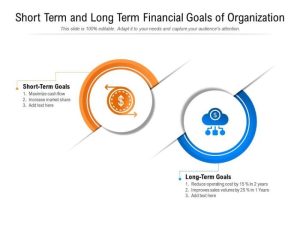
Facing retirement without savings can feel daunting, triggering fear and anxiety. Many postpone planning, believing it’s too late or too difficult to start. However, building a secure financial future, even with a late start, is entirely achievable. This guide provides a structured approach to assess your current situation, set realistic goals, explore investment options, and develop a personalized financial plan.
It emphasizes the importance of proactive steps, positive mindset shifts, and the utilization of available resources.
We’ll navigate the process of budgeting, debt management, and investing, equipping you with the knowledge and confidence to build a brighter financial future. From understanding your current financial standing to creating a comprehensive, adaptable plan, we’ll cover strategies to overcome common challenges and foster sustainable financial habits. This isn’t just about numbers; it’s about securing your peace of mind and achieving financial independence.
The Urgency of Starting
Facing the reality of having no retirement savings can be incredibly daunting. It’s easy to feel overwhelmed by the sheer scale of the task ahead, leading to feelings of fear, anxiety, and even paralysis. These emotions are completely understandable, but it’s crucial to remember that they shouldn’t define your future. The absence of a robust retirement plan doesn’t mean you’re destined to struggle in your later years; it simply means you need to take action now.The longer you wait to begin planning, the more challenging it becomes to achieve your financial goals.
The power of compounding returns diminishes with each passing year, and the time available to build a substantial nest egg shrinks. Ignoring the problem will only amplify these negative feelings, creating a cycle of worry and inaction. This is why reframing your thoughts is so important. Instead of focusing on the regret of a late start, channel that energy into developing a concrete plan.
See the current situation not as a failure, but as an opportunity to build a brighter future.
Reframing Negative Thoughts into Proactive Steps
The key to overcoming the emotional hurdles of a late start lies in breaking down the seemingly insurmountable task into manageable steps. Start by honestly assessing your current financial situation, including income, expenses, and any existing debts. Then, create a realistic budget that prioritizes saving for retirement, even if it’s a small amount to begin with. Explore different investment options suitable for your risk tolerance and time horizon.
Consider seeking professional financial advice to guide you through the process and develop a personalized strategy. Remember, even small, consistent contributions over time can yield significant results thanks to the magic of compound interest. Celebrate small victories along the way; each step forward is a testament to your commitment and resilience.
A Motivational Narrative
Consider Sarah, a 45-year-old single mother who realized she had virtually no retirement savings. Overwhelmed by the responsibility of raising her children and juggling a demanding job, she had neglected her own financial future. Initially, the enormity of the task paralyzed her, but she decided to change her mindset. She started by creating a simple budget, cutting back on unnecessary expenses, and automating small monthly contributions to a retirement account.
She also sought advice from a financial advisor who helped her develop a long-term investment plan. While her journey is ongoing, Sarah’s proactive steps demonstrate that it’s never too late to start building a secure financial future. Her story is a powerful reminder that consistent effort, combined with professional guidance, can overcome even the most daunting challenges.
Her commitment shows that even a late start can lead to significant progress over time.
Seeking Professional Guidance
Starting a retirement savings plan, especially when you’re behind, can feel overwhelming. Navigating the complexities of investments, tax laws, and long-term financial planning can be daunting, making professional guidance an invaluable asset. A financial advisor can provide the personalized support and structured approach needed to build a secure financial future.Seeking professional financial advice offers several key benefits. A qualified advisor provides personalized guidance tailored to your unique circumstances, risk tolerance, and financial goals.
This personalized approach ensures your plan aligns with your individual needs, unlike generic, one-size-fits-all solutions. Furthermore, the accountability provided by a professional can be a powerful motivator, helping you stay on track and make consistent progress toward your retirement goals. They can also offer objective perspectives, helping you avoid emotional decisions that could jeopardize your long-term financial well-being.
Types of Financial Professionals
Several types of financial professionals can assist with retirement planning. Financial advisors offer broad financial guidance, encompassing investment management, retirement planning, and tax strategies. Financial planners, often holding certifications like CFP (Certified Financial Planner), take a more holistic approach, considering all aspects of your financial life, including budgeting, debt management, and estate planning, to create a comprehensive financial plan.
Other professionals, such as investment managers, specialize solely in investment strategies. The best choice depends on your individual needs and complexity of your financial situation. A comprehensive financial plan might require the expertise of multiple professionals working collaboratively.
Choosing a Financial Advisor: A Checklist of Questions
Selecting the right financial advisor is crucial. It’s essential to carefully consider their experience, qualifications, fees, and approach to ensure a good fit. Before engaging an advisor, it’s beneficial to ask clarifying questions to ensure a productive working relationship. This includes verifying their credentials and understanding their fee structure to avoid any surprises.A thorough vetting process involves assessing the advisor’s experience in working with clients in similar situations, understanding their investment philosophy, and gaining clarity on their communication style.
It’s also prudent to inquire about their conflict of interest policies and how they manage client data to ensure confidentiality and security. Finally, confirming their professional affiliations and obtaining references from past clients provides further insight into their expertise and client satisfaction. The following questions are important considerations:
- What are your credentials and certifications?
- How long have you been advising clients similar to me?
- What is your investment philosophy and approach?
- What are your fees and how are they structured?
- How do you manage conflicts of interest?
- How do you protect client data and maintain confidentiality?
- Can I speak with some of your current or former clients as references?
- What is your communication style and how often will we meet?
- What is your process for developing a financial plan?
Understanding Financial Terms

Beginning your financial planning journey requires understanding key terminology. Grasping these concepts is crucial for effective communication with financial professionals and for making informed decisions about your future. This section clarifies essential terms, providing context for their application in your personal financial planning process.
Definitions of Key Financial Planning Terms
Understanding the terminology used in financial planning is paramount to successfully navigating the process. These definitions provide a foundational understanding of essential concepts.
- Financial Goals: These are your specific, measurable, achievable, relevant, and time-bound (SMART) objectives for your financial future. Examples include saving for a down payment on a house, funding your child’s education, or accumulating enough money to retire comfortably. Financial goals provide direction and motivation for your planning efforts.
- Financial Planning: This is the ongoing process of defining your financial goals, assessing your current financial situation, developing a strategy to achieve your goals, and regularly monitoring and adjusting your plan as needed. It involves considering various aspects of your finances, including budgeting, saving, investing, debt management, insurance, and estate planning. For example, a comprehensive financial plan might involve creating a budget to track expenses, investing in a retirement account, and paying down high-interest debt.
- Financial Advice: This refers to recommendations from qualified professionals, such as financial advisors or planners, on how to manage your finances and achieve your financial goals. This advice is typically personalized and takes into account your individual circumstances, risk tolerance, and financial objectives. For instance, a financial advisor might recommend a specific investment portfolio based on your risk profile and retirement goals.
- Financial Auditing: This is the independent examination of an individual’s or organization’s financial records to ensure accuracy, compliance with regulations, and the effective use of resources. While less directly involved in the initial planning stages, a financial audit can be valuable for verifying the accuracy of your financial statements and ensuring your plan is on track. For example, an independent audit of your investment portfolio can help verify the reported returns and identify any potential discrepancies.
Securing your financial future, even without prior retirement savings, is a journey achievable through careful planning and consistent effort. By assessing your current financial health, setting realistic goals, and exploring suitable investment options, you can build a solid foundation for a comfortable retirement. Remember, seeking professional guidance when needed can significantly enhance your journey. This guide serves as a starting point; your commitment to proactive financial management is the key to success.
Take control of your financial destiny today.
Common Queries
What if I have significant debt? How do I prioritize paying it off?
Prioritize high-interest debt using methods like the debt avalanche (highest interest first) or snowball (smallest debt first). Create a budget to allocate extra funds towards debt repayment.
How much should I save for retirement?
There’s no one-size-fits-all answer. A financial advisor can help determine a suitable amount based on your age, income, expenses, and retirement goals. Aim for a consistent savings rate, even if it starts small.
What are some low-risk investment options for beginners?
High-yield savings accounts and government bonds offer relatively low risk. Index funds and ETFs provide diversification but carry some market risk. Consult a financial advisor to determine your risk tolerance.
Is it too late to start saving for retirement at my age?
It’s never too late! While starting earlier is ideal, even small contributions consistently made can make a significant difference over time. Focus on what you
-can* do now, and adjust your retirement expectations accordingly.