Navigating the complexities of debt can feel overwhelming, but effective financial planning provides a roadmap to financial freedom. This guide explores strategies for understanding your debt, creating a realistic budget, and developing a personalized plan to conquer your financial obligations. We’ll examine various debt management techniques, budgeting strategies, and the importance of seeking professional guidance when needed.
From understanding the different types of debt and their long-term impacts to developing SMART financial goals, this resource offers practical advice and actionable steps to help you regain control of your finances and build a secure financial future. We’ll cover everything from calculating your debt-to-income ratio to negotiating with creditors and leveraging budgeting tools to achieve your goals.
Understanding Debt
Debt is a significant aspect of personal finance, impacting financial well-being and future goals. Understanding the various types of debt and their implications is crucial for effective financial planning and management. Ignoring debt can lead to severe financial consequences, emphasizing the importance of proactive strategies.
Types of Debt and Their Implications
Debt encompasses various forms, each with unique characteristics and potential effects on personal finances. Common types include credit cards, personal loans, mortgages, student loans, and auto loans. Credit card debt, characterized by high interest rates and often revolving balances, can quickly spiral out of control if not managed carefully. Personal loans, typically used for specific purposes, come with fixed interest rates and repayment schedules.
Mortgages, used for purchasing homes, represent a long-term debt commitment with potentially significant interest payments over many years. Student loans, crucial for education but carrying considerable financial burden, require careful budgeting and repayment planning. Auto loans, facilitating vehicle purchases, can also become a significant financial obligation. The impact of each debt type varies based on interest rates, repayment terms, and the individual’s financial situation.
High-interest debt, like credit cards, consumes a larger portion of income, hindering savings and investment goals. Conversely, lower-interest debt, such as mortgages, may be more manageable over time, even if the principal amount is substantial.
Long-Term Consequences of Unmanaged Debt
Unmanaged debt carries serious long-term consequences, significantly affecting financial health and overall well-being. Accumulating debt can lead to a damaged credit score, making it difficult to secure loans, rent an apartment, or even obtain certain jobs in the future. The constant stress associated with debt repayment can also negatively impact mental health and relationships. Moreover, unmanaged debt can hinder the achievement of long-term financial goals, such as buying a home, saving for retirement, or investing in education.
For example, consistently high credit card balances can limit access to favorable loan terms for a mortgage, delaying homeownership. Similarly, significant debt can reduce the amount available for retirement savings, potentially jeopardizing future financial security.
Debt’s Impact on Financial Goals
The presence of debt can significantly affect the ability to achieve various financial goals. For instance, substantial credit card debt can divert funds that could otherwise be used for saving or investing, delaying the attainment of long-term financial objectives like retirement planning. Similarly, large student loan payments might reduce the amount available for purchasing a home or starting a family.
Even seemingly manageable debt, such as auto loans, can consume a significant portion of monthly income, limiting the ability to save for other important goals. The impact is particularly pronounced when high-interest debt dominates the financial picture, consuming a disproportionate amount of income and hindering progress towards financial freedom. Consider a scenario where someone is aiming to save for a down payment on a house.
High-interest credit card debt will require a larger portion of their income for repayment, leaving less available for savings and significantly delaying the purchase of a home.
Comparison of Common Debt Types
| Debt Type | Typical Interest Rate Range | Typical Repayment Term | Impact on Financial Goals |
|---|---|---|---|
| Credit Cards | 15% – 30% | Variable, often revolving | Can severely limit savings and investment potential; hinders progress toward long-term goals. |
| Personal Loans | 5% – 20% | 12 months – 7 years | May impact short-term savings but less severely than credit card debt; depends on loan amount and interest rate. |
| Mortgages | 3% – 7% (variable) | 15 – 30 years | Significant long-term commitment; can limit short-term spending but allows for asset building (homeownership). |
| Student Loans | 4% – 10% (variable) | 10 – 20 years (or longer) | Can significantly impact post-graduation savings and spending; repayment burden can delay other financial goals. |
Assessing Your Financial Situation
Understanding your current financial standing is the cornerstone of effective debt management. Before you can strategize repayment, you need a clear picture of your income, expenses, and overall net worth. This involves creating a realistic budget and calculating key financial ratios.
Creating a Personal Budget
A personal budget is a detailed plan outlining your expected income and expenses over a specific period, typically a month. Tracking your income and expenses meticulously allows you to identify areas where you can cut back and allocate more funds towards debt repayment. This process involves several steps.
- Track your income: List all sources of income, including salary, bonuses, investment returns, and any other regular income streams. Be sure to net out any deductions like taxes.
- Categorize your expenses: Keep a record of all your spending for at least a month. Categorize your expenses into essential (housing, food, utilities), discretionary (entertainment, dining out), and debt payments. Utilize budgeting apps or spreadsheets to streamline this process.
- Analyze your spending patterns: Once you’ve tracked your expenses, analyze where your money is going. Identify areas where you can reduce spending without significantly impacting your lifestyle.
- Create your budget: Based on your income and expense analysis, create a budget that allocates funds to each category. Ensure your expenses don’t exceed your income. This may involve making adjustments to your spending habits.
- Regularly review and adjust: Your budget is a living document. Review it regularly and make adjustments as needed to reflect changes in your income or expenses.
Sample Budget Template
This sample budget illustrates how to organize your income and expenses. Remember, your actual budget will reflect your specific circumstances.
| Category | Income | Expenses | Debt Payments |
|---|---|---|---|
| Salary | $4,000 | ||
| Investment Income | $200 | ||
| Total Income | $4,200 | ||
| Housing | $1,000 | ||
| Food | $500 | ||
| Utilities | $200 | ||
| Transportation | $300 | ||
| Entertainment | $200 | ||
| Credit Card Payment | $100 | ||
| Student Loan Payment | $200 | ||
| Total Expenses | $2,200 | $300 | |
| Net Income | $2,000 |
Understanding Net Worth
Your net worth represents your financial health, calculated by subtracting your total liabilities (debts) from your total assets (what you own). A positive net worth indicates you own more than you owe, while a negative net worth means you owe more than you own. Regularly calculating your net worth helps monitor your progress in paying down debt and building wealth.
For example, if you own a house worth $300,000, a car worth $20,000, and have $10,000 in savings, your total assets are $330,000. If you have a mortgage of $200,000, a car loan of $10,000, and credit card debt of $5,000, your total liabilities are $215,000. Your net worth is $330,000 – $215,000 = $115,000.
Calculating and Understanding Debt-to-Income Ratio
The debt-to-income ratio (DTI) is a crucial indicator of your ability to manage debt. It’s calculated by dividing your total monthly debt payments by your gross monthly income. A high DTI suggests you’re heavily burdened by debt, potentially impacting your credit score and financial stability.
DTI = (Total Monthly Debt Payments) / (Gross Monthly Income)
For example, if your total monthly debt payments are $500 and your gross monthly income is $3,000, your DTI is 500/3000 = 0.167 or 16.7%. Lenders typically use DTI to assess creditworthiness; a lower DTI generally signifies lower risk.
Seeking Professional Financial Guidance
Navigating complex debt situations can be overwhelming, and seeking professional help is often the most effective strategy for achieving long-term financial well-being. Several financial professionals can assist with debt management, each offering unique expertise and services. Understanding their roles and the potential benefits of their involvement is crucial in making informed decisions.Financial professionals offer valuable support in creating and implementing personalized debt management plans.
Their expertise can significantly improve the chances of successful debt reduction and long-term financial stability, especially when dealing with intricate financial circumstances.
Roles of Financial Professionals
Financial advisors, financial auditors, and credit counselors each play distinct roles in managing debt. Financial advisors provide holistic financial planning, offering guidance on budgeting, investing, and debt management strategies tailored to individual circumstances. Financial auditors, while not directly involved in debt management planning, can provide an independent assessment of a client’s financial health, which can be valuable information for creating a realistic debt reduction plan.
Credit counselors specialize in helping individuals and families develop and implement plans to manage their debt, often negotiating with creditors for more favorable repayment terms. They typically focus on budgeting and debt consolidation strategies.
Benefits of Professional Financial Advice for Debt Management
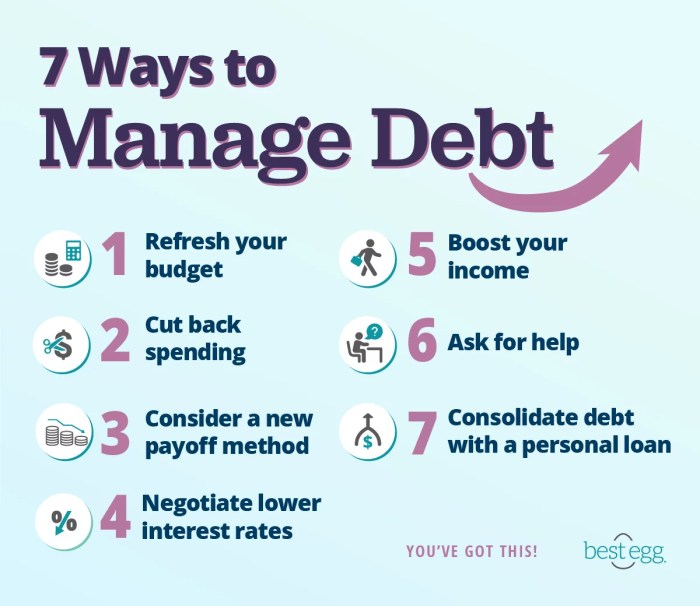
Engaging a financial professional offers numerous advantages, particularly when grappling with complex debt situations. They provide unbiased, expert advice, helping individuals navigate the intricacies of debt management. Their experience allows them to identify and utilize the most effective strategies for each individual’s unique financial circumstances. This can include negotiating lower interest rates, consolidating debts into a single payment, or developing a realistic budget that incorporates debt repayment.
Furthermore, a financial professional can provide emotional support and accountability, crucial factors in successfully managing debt. For example, a person struggling with multiple high-interest credit cards might benefit from a financial advisor who can help them consolidate those debts into a lower-interest loan, significantly reducing their monthly payments and overall interest paid.
Key Questions to Ask a Financial Advisor About Debt Management
Before engaging a financial advisor, it’s crucial to ask clarifying questions to ensure they are the right fit for your needs. These should include inquiries about their experience with debt management, their fee structure, and their approach to developing a personalized plan. It’s also important to understand their qualifications and whether they hold relevant certifications. Asking about their success rate in helping clients manage similar debt situations can provide valuable insight into their effectiveness.
Finally, inquire about the timeline for developing and implementing a debt management plan.
Potential Costs of Hiring a Financial Professional
The cost of hiring a financial professional varies greatly depending on their expertise, experience, and the services provided. Some professionals charge hourly fees, while others may work on a retainer basis or receive a percentage of assets under management. Credit counselors often work on a sliding scale based on income, making their services more accessible to those with limited financial resources.
It is essential to clarify the fee structure upfront to avoid unexpected expenses. For example, a financial advisor might charge $150-$300 per hour, while a credit counselor’s fees might range from free to a few hundred dollars depending on their organization and the client’s income. Understanding these costs is crucial in budgeting for professional financial assistance.
Setting and Achieving Financial Goals
Successfully managing debt requires a clear roadmap. Setting and achieving well-defined financial goals provides the structure and motivation needed to navigate the challenges of debt repayment and build a stronger financial future. This involves creating specific, measurable, achievable, relevant, and time-bound (SMART) goals, consistently tracking progress, and making necessary adjustments along the way.
SMART Goal Setting for Debt Management
Effective goal setting is crucial for debt repayment. The SMART framework provides a practical method for creating goals that are both ambitious and attainable. Each element ensures your goals are realistic and trackable, fostering a sense of accomplishment as you progress.
Specific: Instead of vaguely aiming to “pay down debt,” define a precise target. For example, “Reduce my credit card debt by $5000.”
Measurable: Quantify your goals. “Save $200 per month” is measurable; “Save some money” is not.
Achievable: Set realistic goals based on your income and expenses. Aiming for debt elimination within an unrealistic timeframe can be demotivating.
Relevant: Ensure your goals align with your overall financial objectives. Paying off high-interest debt before investing is often a relevant priority.
Time-bound: Set deadlines. “Pay off my car loan in 24 months” provides a clear timeframe.
Examples of Short-Term and Long-Term Financial Goals
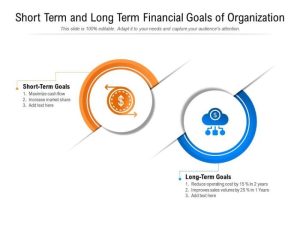
Short-term goals provide immediate wins, building momentum and confidence. Long-term goals offer a vision for the future, motivating consistent effort.
Short-Term Goals (within 1 year):
- Reduce credit card debt by $1000.
- Establish an emergency fund of $1000.
- Increase monthly savings by $200.
Long-Term Goals (beyond 1 year):
- Become debt-free (excluding mortgage) in 5 years.
- Save a down payment for a house in 3 years.
- Pay off mortgage in 15 years.
Tracking Progress and Making Adjustments
Regularly monitoring progress is essential to stay on track. This might involve using budgeting apps, spreadsheets, or working with a financial advisor. Adjustments are inevitable; life throws curveballs. The key is flexibility and adapting your plan as needed.
Methods for tracking progress include:
- Using budgeting apps to monitor income and expenses.
- Creating a spreadsheet to track debt balances and payments.
- Regularly reviewing your budget and adjusting as needed.
- Seeking professional financial guidance if needed.
Visual Representation of Debt Management and Goal Achievement
Financial Planning for the Future
Successfully managing debt is not just about resolving current financial difficulties; it’s a crucial stepping stone towards building a secure and prosperous future. Long-term financial planning, integrated with effective debt repayment strategies, is essential for achieving lasting financial stability and avoiding future debt traps.Integrating Debt Repayment Strategies into a Comprehensive Financial Plan involves aligning short-term debt reduction goals with broader long-term financial objectives.
This holistic approach ensures that debt repayment efforts don’t hinder progress toward other significant financial goals, such as saving for retirement, buying a home, or funding children’s education. It’s about creating a balanced plan where debt reduction is a priority but not the sole focus.
Debt Management and Long-Term Financial Goals
A comprehensive financial plan considers various long-term goals alongside debt management. For example, someone aiming for early retirement needs to factor in debt repayment alongside aggressive savings and investment strategies. Similarly, someone planning to buy a home needs to address existing debt to qualify for a mortgage and manage future mortgage payments effectively. Failing to integrate these aspects can lead to setbacks and hinder the achievement of these significant milestones.
A well-structured plan ensures that debt repayment is a strategic component, rather than an obstacle, to realizing long-term aspirations.
Preventing Future Debt Accumulation
Financial planning plays a pivotal role in preventing future debt accumulation. Creating and sticking to a realistic budget, which meticulously tracks income and expenses, is fundamental. This allows for identification of areas where spending can be reduced and savings increased. Furthermore, building an emergency fund acts as a crucial buffer against unexpected expenses, preventing the need to resort to high-interest debt in times of crisis.
For instance, a $1,000 emergency fund can cover unexpected car repairs or medical bills, avoiding the need for a high-interest credit card loan. Regularly reviewing and adjusting the budget based on changing circumstances is essential for maintaining financial health.
Resources for Financial Planning and Debt Management
Numerous resources are available to support individuals in their journey towards financial well-being. Government agencies often offer free or low-cost financial counseling services. Non-profit organizations provide valuable educational materials and workshops on budgeting, debt management, and financial planning. Many reputable financial websites offer budgeting tools, calculators, and articles on various financial topics. Finally, certified financial planners can provide personalized guidance and create customized financial plans tailored to individual circumstances and goals.
Utilizing these resources can empower individuals to take control of their finances and build a secure financial future.
Taking control of your debt requires a proactive and strategic approach. By understanding your financial situation, developing a comprehensive debt management plan, and consistently implementing effective budgeting strategies, you can pave the way towards a debt-free future. Remember, seeking professional guidance can be invaluable, particularly for complex situations. With dedication and the right plan, you can achieve your financial goals and build a secure and prosperous future.
Common Queries
What is the best debt repayment method?
The best method depends on your individual circumstances. The debt snowball method prioritizes paying off the smallest debts first for motivation, while the debt avalanche method focuses on paying off high-interest debts first to save money.
How can I improve my credit score?
Improving your credit score involves paying your bills on time, keeping your credit utilization low, maintaining a mix of credit accounts, and avoiding applying for too much new credit.
When should I consider debt consolidation?
Debt consolidation can be beneficial if it lowers your overall interest rate, simplifies your payments, or provides a more manageable repayment plan. However, carefully weigh the potential fees and terms.
What are the signs I need professional financial help?
Signs you might need professional help include feeling overwhelmed by debt, struggling to create a budget, or having difficulty making consistent progress toward debt reduction.